Hectares of alien vegetation cleared for endangered Cape Fynbos to flourish
29 March 2021
The progress was made possible through a partnership between the City’s Recreation and Parks Department and local residents.
Local residents Andre Venter and Jan Wicht added their names to the growing list of community champions when they volunteered to help Recreation and Parks teams clear invasive Port Jackson (Acacia saligna) vegetation threatening to take over the newly proclaimed Bowlers Conservation Area in Durbanville.
Almost 1.5 hectares of land was cleared for residents who enjoy using the space to walk their dogs and exercise, as well as nature enthusiasts who visit for bird watching and even conduct research on the abundant biodiversity on site.
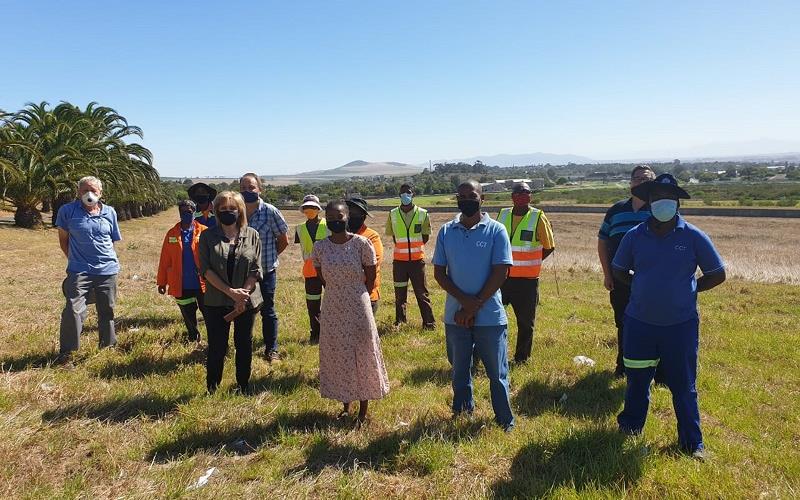
For months starting in November last year, the need to remove Port Jackson at Bowlers Public Open Space became apparent when the growth spurt of the invasive species started to affect the remnants of the critically endangered Cape Flats Sand Fynbos and Swartland Shale Renosterveld vegetation.
The Recreation and Parks Department welcomed the enthusiasm of local residents who volunteered to get involved and requested to physically assist in hacking away the unwanted stalks. Fortunately, Andre and Jan have vast knowledge of the vegetation and plants found on site, having been involved with plant identification for many years. They also brought along tools and approved herbicide mixtures, becoming valuable members of City staff working in the area.
‘As a Department, we have a long history with community volunteers and encourage them to take ownership of green spaces in their neighbourhoods. We value the contribution that the public makes in identifying areas that may need conservation status, especially when they get personally invested in protecting and preserving the environment. Jan and Andre are long-term advocates for the conservation of environmental awareness, protection of Cape fynbos and local wildlife. The pair have been model activists for the environment in Durbanville where Bowlers POS is in the process of being officially declared a conservation area, from its current status as a Biodiversity Agreement site,’ said Parks Superintendent, Wilhelm Van Wyk.
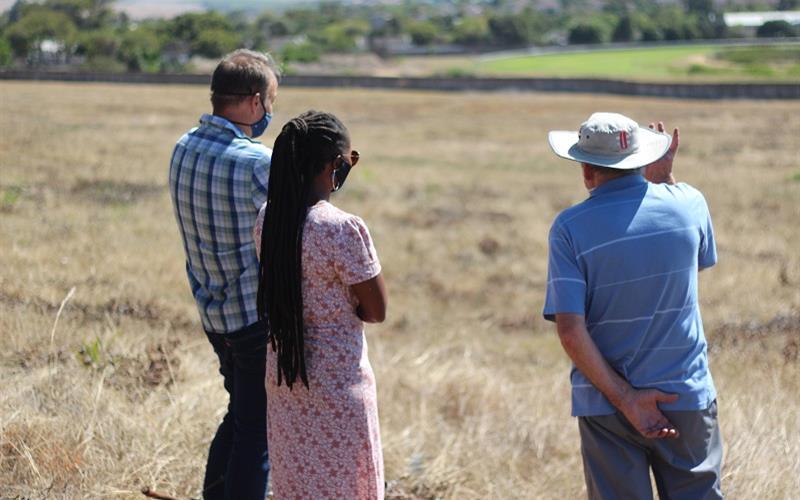
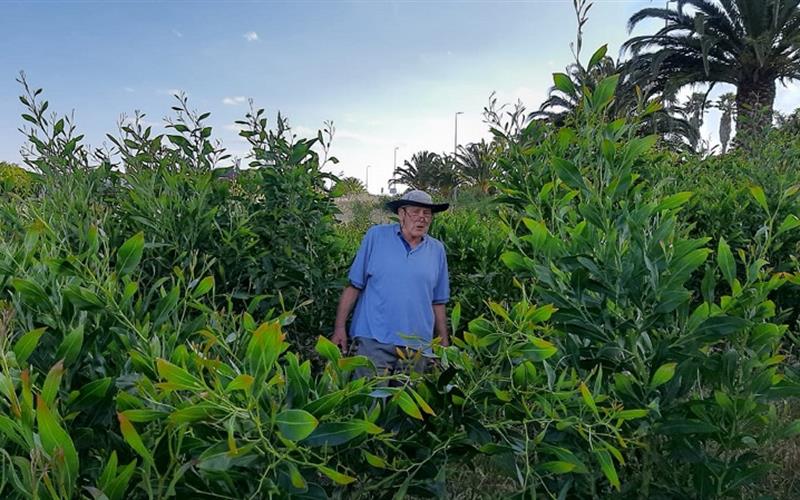
Port Jackson is indigenous to Australia and was introduced locally to stabilise dune movement; however, this species has been extremely successful at invading most vegetation across the city, especially in fynbos regions; and is classified as a category 1b invasive species in the National Environmental Biodiversity Act Regulation.
‘To clear the Port Jackson, the plant must be cut and herbicide applied at the stem in order for it not to grow back. The hacking that was completed will soon need to be maintained to be effective for a long time. The Recreation and Parks department will continue to attend to the site every six months, at least for the next three years,’ said Sihle Jonas, Ecological Co-ordinator.
Bowlers Public Open Space is also a popular research hub for academics. One study currently under way is for a doctorate entitled, ‘Flower Phenology and Mowing: Optimising Mowing of Urban Parks to Support Spring Flower Populations and Create Habitats for Pollinators’ by Dr Peta Brom from UCT.
‘It will be exciting to see what grows in Spring of 2021 when the flower season is in full bloom from August to October. The City anticipates a unique variety of flower species to flourish within what seems to be dry grass. Bowlers POS is on the list of areas that are not mowed annually. Any member of the community can request that similar spaces be considered Nature Protected Areas, which are natural habitats for flora and fauna that attract butterflies, birds and insects. To participate in the campaign by initiating a project or to get involved in existing projects in your area, please contact your local Recreation and Parks area office,’ said Mayoral Committee Member for Community Services and Health, Councillor Zahid Badroodien.
End
Published by:
City of Cape Town, Media Office